Why do you need to classify waste soil?
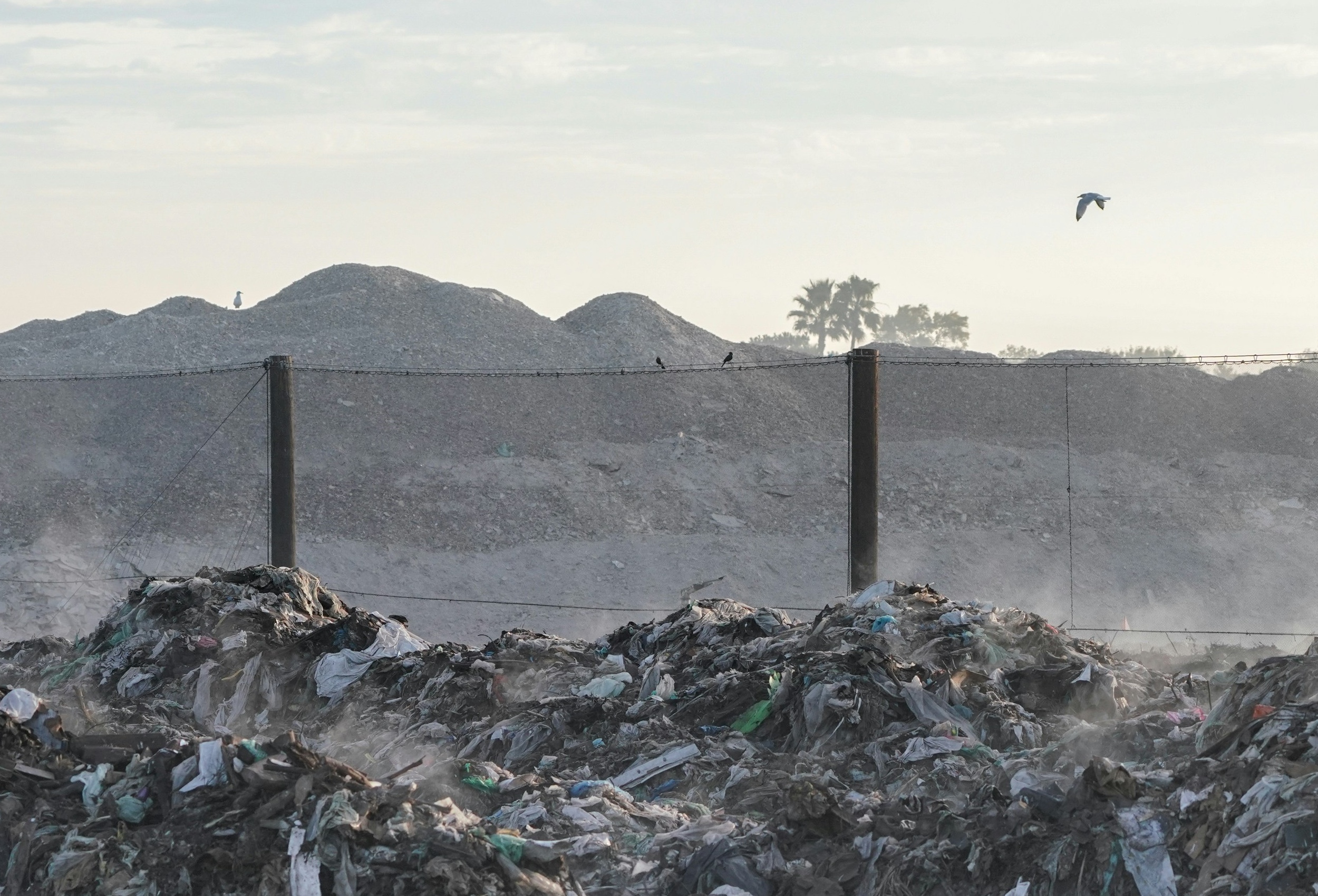
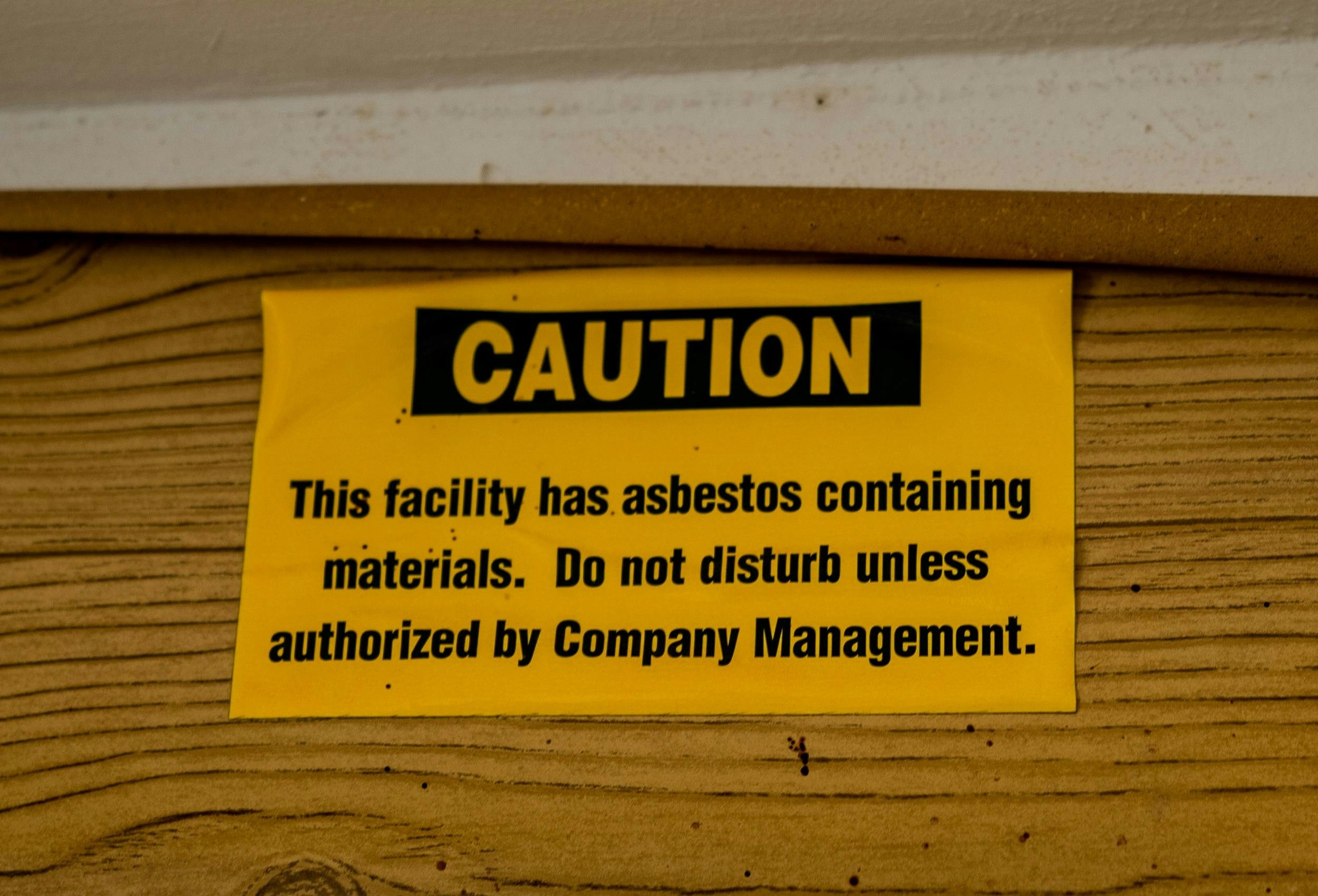
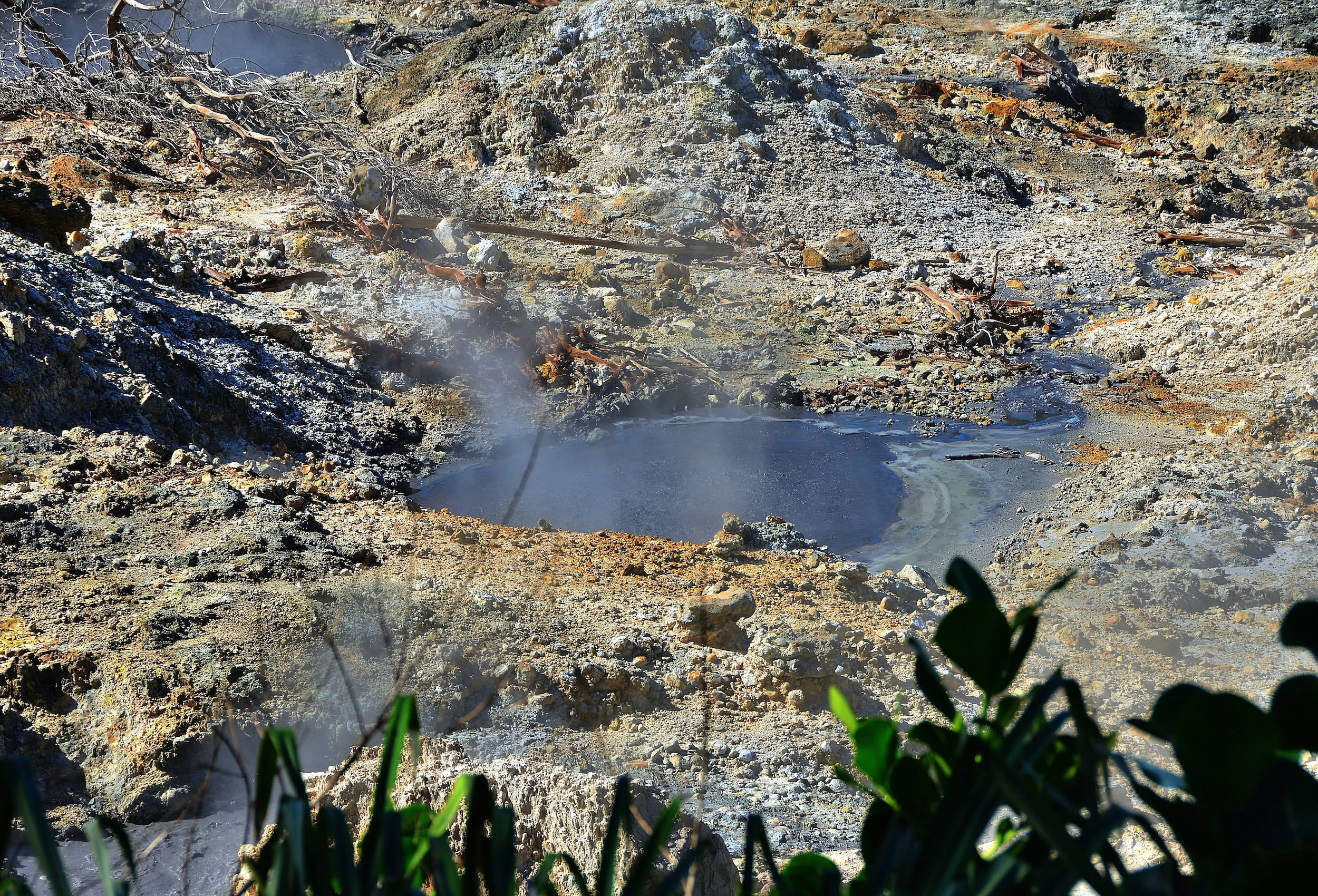
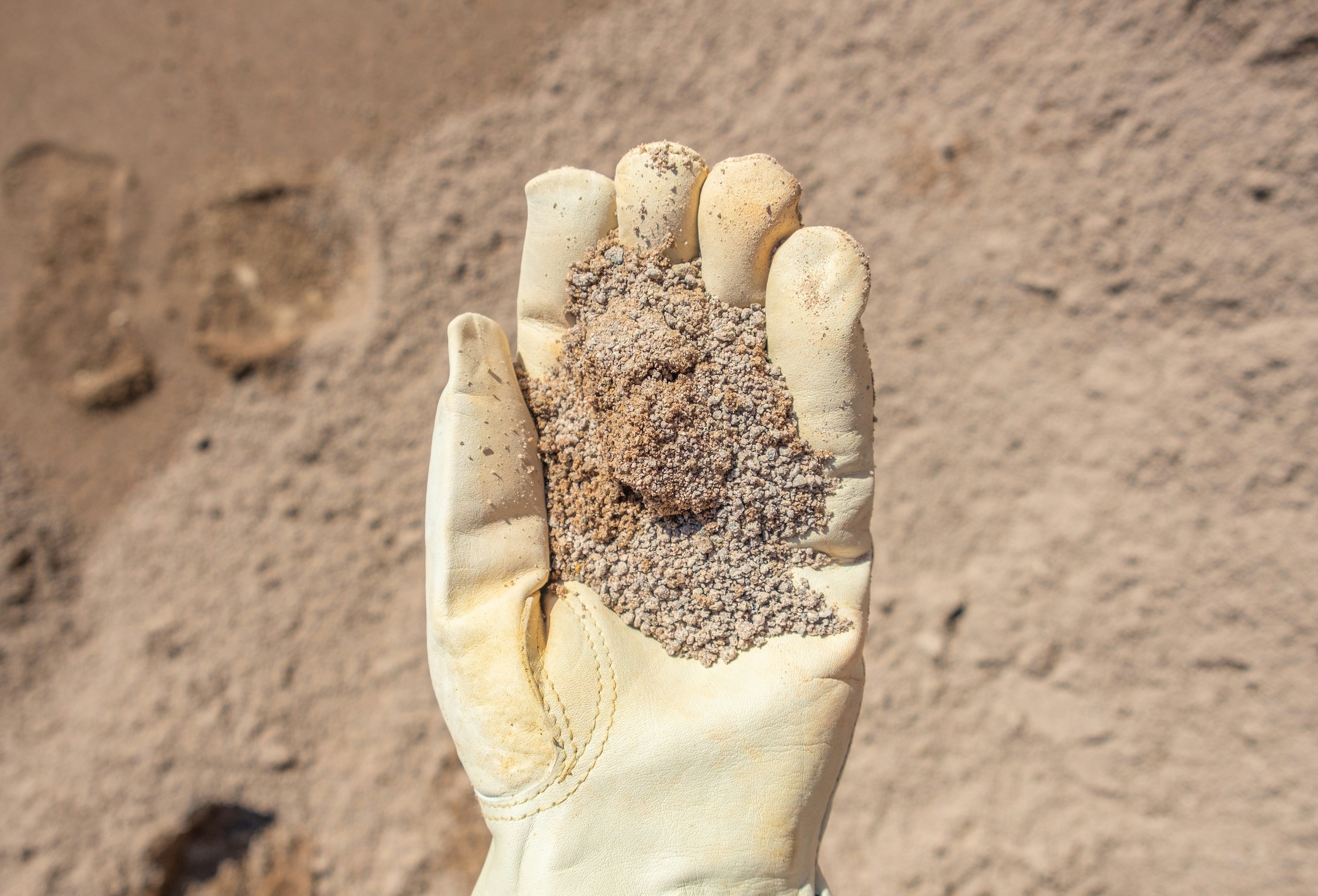
Waste soils may contain contaminants including heavy metals, asbestos and industrial chemicals. It’s important to manage waste soil effectively so as not to present risk to people and the environment and cause them harm. Industrial waste can include any waste arising from commercial, industrial or trade activities.
Initial assessment for waste soil classification
We’ll perform an initial assessment to identify:
- the location, area and estimated volume of the waste soil
- past, current, and proposed potentially polluting activities
- extent and degree of existing or potential contamination
- contaminant types
- soil sampling requirements.
Soil sampling
Soil sampling is conducted if the soil is:
- from potentially contaminated land
- from known contaminated land as per Regulation 62 – classifying soil sourced onsite from contaminated land
- mixed with any waste
- consist of, or partially consist of, soil of unknown origin brought onto a site
- arise from sites where former uses include industrial, commercial, mining or agricultural activities
- have had manufactured chemicals applied.
How is waste classified?
Waste soil can be categorised as:
- fill material (waste code N122)
- contaminated soil (waste code N120) where contaminants are above fill material thresholds, as follows:
- Category D – contaminated soil (least contaminated)
- Category C – contaminated soil
- Category B – contaminated soil
- Category A – contaminated soil (most contaminated)
- waste acid sulfate soil (waste code N123)
How we can help with waste soil classification
At Ultra Environmental, we can help with the management of waste soil, including:
- management
- transport
- receipt
- storage
- disposal
- re-use.
Frequently Asked Questions
There are a range of reasons why you might need to engage an Environmental Consultant. You may have been asked by council to perform a Preliminary Site Investigation (PSI) or Detailed Site Investigation (DSI) for your site. Or, you may have found an old underground petrol tank on your site. Or the site history may indicate that contaminants may be present.
Environmental Consulting is a range of activities performed to help determine whether there are any hazardous contaminants present in groundwater, soil and other areas that could impact the surrounding people or environment. It can include services such as groundwater assessment, contaminated soil remediation, or other environmental audit activities. At Ultra Environmental, we follow the recommended frameworks from the Environmental Protection Authority to ensure the work is completed to the utmost standard, helping you to remediate your site for its intended purpose and minimise any impact to the environment.
The main regulatory body for environmental consulting in Victoria is the Environment Protection Authority (EPA) Victoria and municipal/local councils. They enforce the Environment Protection Act 2017 and ensure regulations are followed to protect human health and the environment from pollution and waste.
Soil testing is often required in residential housing builds to understand the composition of the soil and its suitability for construction. This is mainly performed by a geotechnical consultant and will look at things like the type of soil, its characteristics and its load-bearing capacity. The soil testing we perform here at Ultra Environmental is contaminated land soil testing. This testing is performed to understand whether there are any contaminants present in the soil that could prove hazardous to the people or the environment. It’s of particular use when the site history reveals that there has been past industrial use, or imported fill soils from unknown origin, that may have left impacts on the land. With this type of testing, we can help you understand the site history, whether any contaminants are present and how to remediate the land to make it suitable for your intended use.
Contaminated land occurs when contaminants leach into the soil or groundwater. This can occur for a range of reasons, such as past industrial use on your site, or perhaps the presence of an underground petrol tank or other activities that impact your land, such as poor waste disposal. It becomes a problem as it can become hazardous to humans, the environment or surrounding ecosystems. In humans, for example, contaminants can lead to respiratory problems, skin irritation or other health issues. In the environment, it can harm wildlife and plant life and pollute water sources, creating issues for the ecosystem.
Contaminants can cause harm to the environment by polluting water sources, the soil and the air. This in turn, can impact wildlife and plant life, disrupting the delicate ecosystems of nature. You can find out more about the impacts on the Environment Protection Authority (EPA) site.
We serve a range of clients for environmental consulting. This can include architects, developers, childcare centre operators or everyday people just like you.
We cover a broad area in Victoria, including metropolitan Melbourne, the outer Melbourne suburbs, as well as locations throughout regional Victoria. Find out more about our locations.
We get it… contacting someone new online can feel uncertain and you just don’t know who to trust. At Ultra Environmental, we have 25 years of experience, accreditation in the industry and we’re very transparent and fair in our dealings with clients. Check out our testimonials to find out more. Or get in touch today to see if we’d be a good fit for you.
Great question! At Ultra Environmental, we set ourselves apart from the competition with flexibility and a strong determination to get a great project outcome for you, the client. In addition, we have a wealth of expertise and great rapport with partners within the industry. We’re also happy to discuss pricing with you to ensure we can find what works best for you.
Rest assured, we have extensive insurance coverage. We have Public Liability Insurance, Professional Indemnity Insurance, Work Cover and Comprehensive Motor Vehicle Insurance.
Our many years of experience is backed by a degree in Environmental Science through RMIT. We also only use NATA-accredited labs and we have ISO14001 accreditation – Environmental Management (pending).
Of course! Feel free to pass on our details.. You can share our Contact Us form for them to get in touch. And thanks for the recommendation!
We sure can. In fact, this is one of the common reasons that environmental consulting might be required on your site. It helps to understand the site history and how the land has been used, as well as determine whether any contaminants are present that may need remediation. You can find out more on our environmental site assessment page.
Residential soil testing is generally performed to better understand the composition of the soil and how well the soil will perform in load-bearing conditions as the foundation for a residential property. These tests are done by a Geotechnical Consultant. The testing we do at Ultra Environmental is generally for more commercial sites and looks at potential contaminants in the land that may need remediation before proceeding with construction on the site.
We sure do. Old garages and service stations are typical locations where you might see contaminants in the soil or groundwater due to the nature of the previous activities on the site. Through a Preliminary Site Investigation and Detailed Site Investigation, we can determine whether contaminants are present and recommend a remediation plan to remove any contaminated soil or groundwater.
Construction can be expensive… and you certainly don’t want to add to your costs unnecessarily. Environmental Consulting helps you progress your project and ensure the suitability of the site and surrounding environment for years to come. Depending on the type of job and the extent of the contamination, the costs can vary. It’s best to speak with us directly to share your requirements and we can give you a tailored quote based on your needs. We are more than happy to discuss a pricing plan that works for you and your budget.
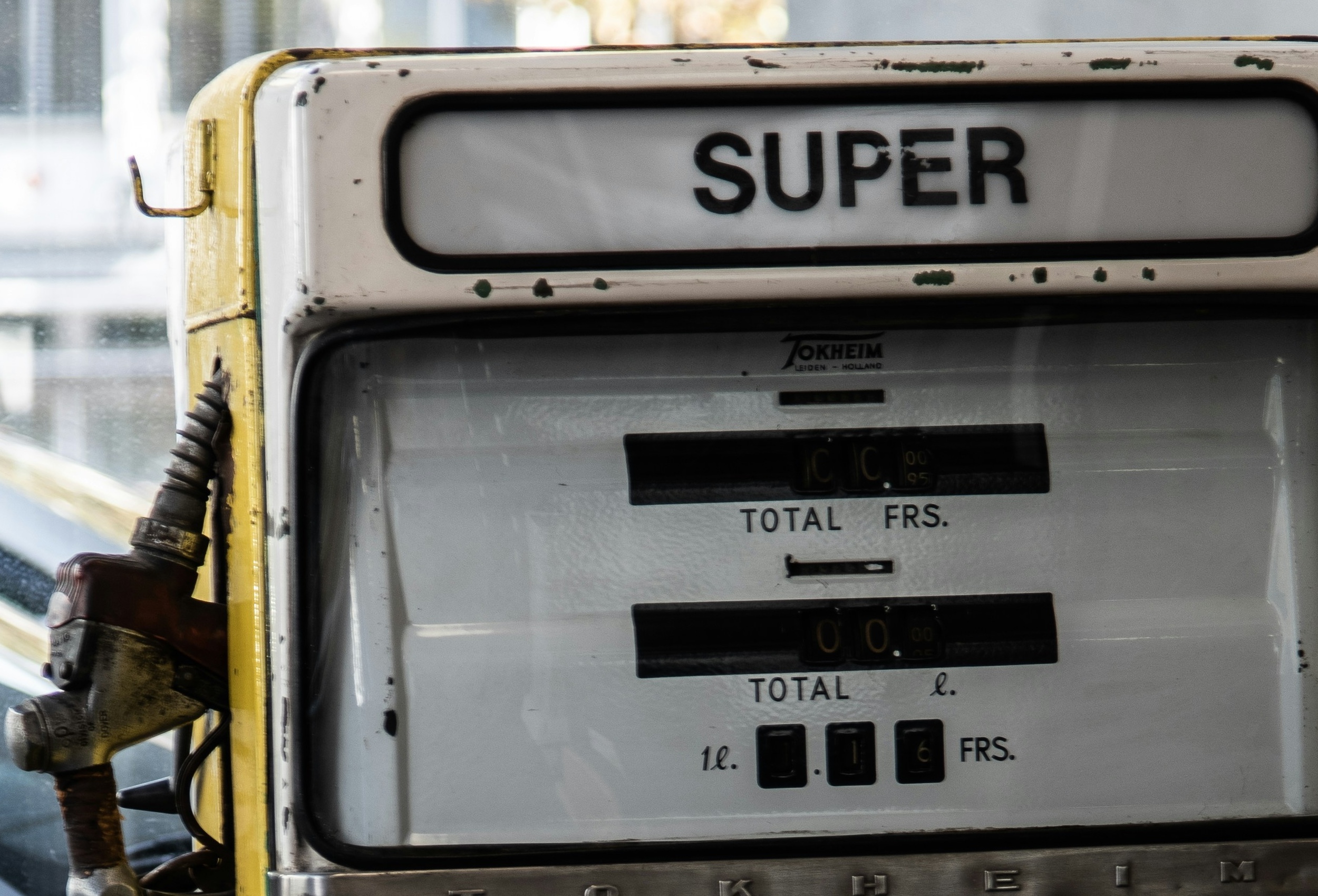
Yes, we can help with the removal of old fuel or petrol tanks (sometimes called underground petroleum storage systems or UPSS). Tanks can be lurking in the foundations unbeknownst to you – we can help detect their presence, as well as help with their removal and ensuring the surrounding land and groundwater is free from contaminants. Check out our petrol tank removal service for further details or contact us.
Yes, we have extensive experience in the development of new playgrounds and childcare centres and can support you in your project. For such projects, we generally do limited soil sampling as part of a Preliminary Site Investigation. And often, this is all that’s required for a licence to be issued by the Department of Education. Find out more about our environmental site assessments.
Depending on the nature of what we find on your site, based on the site research we conduct, there are a range of possible ways that your site could be impacted:
- boreholes at various locations to test the soil and groundwater – these are minimally invasive and are covered up afterwards
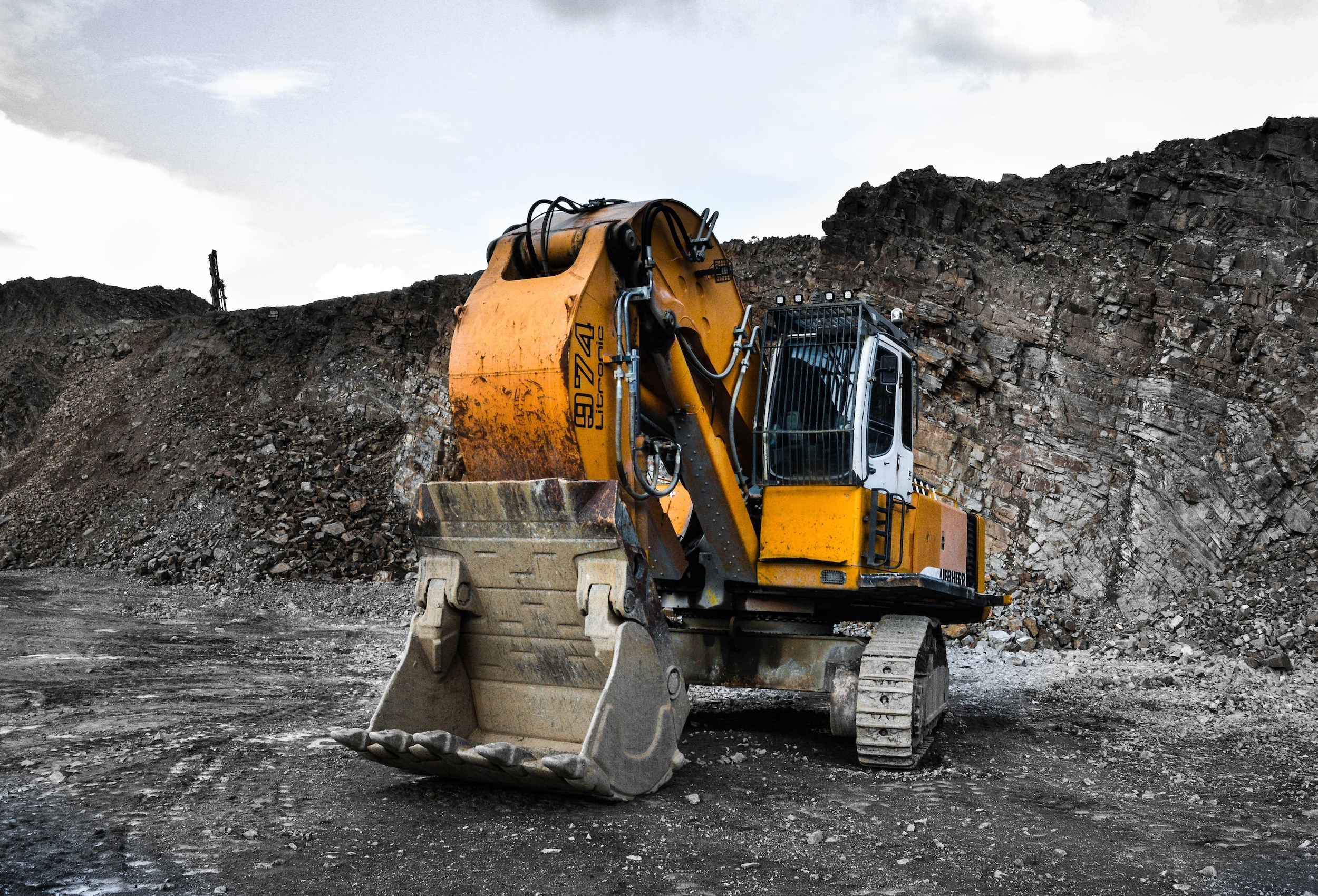
- removal of petrol tanks will require a digger and removal of some soil
- if contaminants are found in the land, the soil may need to be disposed of
Rest assured, that this is all done with minimal damage to your site so that you can proceed with the construction/development as soon as possible.
This will depend on the nature and extent of the contaminants found on your site. It can involve:
- Removal and safe disposal of contaminated soil
- Removal and treatment of contaminated groundwater
- Remediation plans to manage the contaminant
Find out more on our contaminated soil and groundwater assessment pages.
Yes, in fact, most of our clients are commercial clients seeking to either undertake a development/construction project or create a new childcare centre. We also help residential clients that may be building new apartment complexes. Have a chat with us to see if we can help with your project.
As each project is different, our prices are tailored to meet the needs of each client. We are flexible and fair in the way we set our pricing and aim to be competitive in the industry. It’s best to have a chat to us about what you need first and we can put together a quote for you for further discussion.
We take on a range of projects – from really simple projects that may take a few days, right through to more involved projects that could last weeks. Either way, we are fast and efficient to help keep your project moving. To find out what’s involved, head to our Get started page.
While we can’t guarantee anything, we’d be happy to chat through a competitive rate for you. Contact us to find out what we can offer.
Unfortunately, once the project has kicked off and you’ve signed the agreement, expenses are incurred almost immediately so refunds can’t unfortunately be issued. You do have the option to cancel the services within 7 days, however, you will still need to pay any expenses incurred up to and including the date you terminate the services.
It’s great that you’d like to do another project with us! We’d be more than happy to discuss a fee structure that works for you, especially for additional or ongoing projects. Call us today to discuss.
Environmental Consulting is a required step in your construction project that unfortunately can’t be missed. It’s often a requirement of your local council and it’s governed by the Environment Protection Authority. Not to mention the fact that it’s the right thing to do! By removing contaminants, you’re preventing harm to other human beings and helping to preserve the environment and our delicate ecosystems. Find out more about the process we follow.
After we conduct the site research, assessments and lab testing, we’ll work through the report and send it to you in the days following receipt of results.
Yes, we’d be happy to help you expedite your job. And lab testing can also be fast-tracked as required. Send us through the details on our enquiry form and we’ll get back to you as quickly as possible to discuss your project.
After we conduct the site research, assessment and receive the lab results, we’ll prepare a report for you that covers things such as:
- site history
- any contaminants present
- comparison of results to ecological, health and offsite soil disposal guidelines
- any remediation works required